Reducing Waste with Automated Defect Detection in Manufacturing
How ThreadGenius AI leverages computer vision to transform quality assurance from a bottleneck into a competitive advantage.

The Hidden Costs of Human Error in QA
In traditional textile manufacturing, quality assurance often relies on the naked eye. Even the most skilled inspectors are subject to fatigue, varying lighting conditions, and the sheer speed of modern looms. Studies suggest that manual inspection typically catches only 60-70% of defects. The remaining errors lead to fabric downgrading, costly re-runs, and significant material waste that impacts both the bottom line and the environment.
How It Works: Optical Sensors & Neural Networks
ThreadGenius AI integrates directly into your production line. High-resolution optical sensors scan 100% of the fabric surface in real-time. These images are processed by deep learning models trained on millions of textile samples.
- Real-time Streaming: Continuous analysis without slowing down the loom.
- Precision Localization: Pin-point exactly where a defect occurs within millimeters.
Detection Rate Comparison
Identifying Specific Defects
Our AI doesn't just see "something wrong"; it categorizes types of defects to help identify mechanical issues in the loom early. Our common detection categories include:

Mispicks
Automatic detection of broken weft yarns before they compromise yards of fabric.
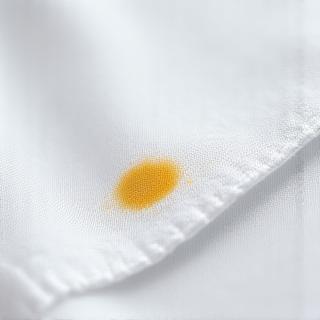
Oil Spots & Soil
Early warning systems for mechanical leaks that can ruin entire rolls during dyeing.
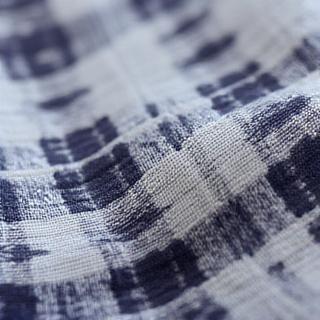
Color Bleeding
Monitoring color consistency and edge sharpness across thousands of meters.
The ROI & Sustainability Factor
The environmental impact of textile waste is staggering. When a defect is identified at the end of a run, the entire batch may be discarded. ThreadGenius AI enables Preventative Manufacturing. By stopping the loom the moment a pattern deviates, you save raw fibers, gallons of water typically used in processing, and hours of energy consumption.
30% Reduction
In total material waste within the first six months of implementation.
15% Increase
In overall plant throughput due to streamlined inspection workflows.